Easy Ways to Make Your Hair Look Thicker

 Easy Ways to Make Your Hair Look Thicker


Sometimes, a smart haircut is the easiest way to make hair look fuller. A good cut can trick the eye into seeing more volume and thickness.

Straight blunt cuts: These make the ends look thicker.

Layers: Add layers in the right places, like around the top of your head. This gives movement and body without making hair shorter.

Bangs or fringe: These frame your face and make the front look fuller.

Regular trims: Cut off split ends often. This stops breakage from moving up the hair. Breakage makes hair look thinner. Many people say getting trims helps keep hair healthy and stops it from looking thin.


10. Be Careful with Chemical Treatments

Things like hair colour or perms can change your look, but they can hurt the hair a lot. This causes breakage and makes hair look thinner. If your hair is getting thin, stop using dye or bleach for a while. Let your hair rest and get better.

If you do these treatments a lot:


Go to a good stylist who knows how to do it safely.

Use special products that fix and strengthen the hair bonds broken by chemicals.

Do treatments less often. Give your hair time to recover.

Use deep conditioner often. This adds water and strength to your hair.


Best Products for Thicker Hair

At Millies.ie, we pick the best professional hair products to help you get fuller hair. Here are some top ones that give volume, thickness, and strength.


Kรฉrastase Genesis

This line is made to stop hair from falling out because of breakage. It is great for weak hair. The shampoos, conditioners, and treatments clean gently and make hair stronger. This gives thicker-looking hair.

Redken Volume Injection

This gives quick lift and lasting body. It is perfect for fine or flat hair. The shampoo and conditioner clean and feed the hair. They add lift at the roots, shine, and a nice finish.

Pureology Pure Volume

These products add volume without bad stuff. They are 100% vegan, no sulfates, and no parabens. They have nice smells. Your hair will feel full, thick, and full of life. They also protect colour.

Eleven: I Want Volume

If you want a lot of body, try this. It is good for fine hair or if you want big volume. It gives clear fullness and control. Styling big hair is easy.

Texturising Dry Shampoos

These are great for quick volume. Put them on the roots. They take away extra oil, add grip, and give instant lift and texture. Hair looks fuller right away. Use them on day-two hair or before styling.


Thicker Hair FAQs

How to thicken hair naturally?

Take care of your scalp. Massage it gently. Use natural things like rosemary oil (mix it with water first). Eat foods with lots of protein, iron, and vitamins. Use less heat tools and chemical treatments.

Best shampoos for thicker hair?

Choose ones that say "volumising" or "thickening." Look for things like polymers and proteins in them. Good ones at Millies.ie are Kรฉrastase Genesis, Redken Volume Injection, and Pureology Pure Volume. Many people also like Nioxin.

Best supplements for thicker hair?

Try Biotin, Collagen, marine protein, and vitamins like Iron and Zinc. Many people say Collagen helps a lot. Iron is important if you don't have enough.

Quick Summary: How to Get Thicker Hair

To get thicker hair, do many things together. Use shampoos and conditioners that add volume. Take good care of your scalp with massages and treatments like rosemary oil. Use strong hair masks. Protect hair from heat and dry it gently. Eat healthy food and maybe take supplements like collagen. Lower stress, get good haircuts, and stay away from strong chemicals. Keep doing it every day. You will see fuller hair over time

Winter Hair Care Tips: How to Keep Hair Healthy in the Winter

Winter Hair Care Tips: How to Keep Hair Healthy in the Winter 


Winter'scold, dry air, combined with indoor heating and harsh winds, strips moisture from your hair, leading to dryness, brittleness, frizz, static, and even breakage. The low humidity outdoors and heated indoor environments create a perfect storm for dehydrated strands, making your scalp itchy and hair prone to split ends. But with a targeted routine focused on hydration and protection, you can maintain shiny, resilient hair all season long.


Start by switching to a moisturizing shampoo and conditioner. Opt for sulfate-free formulas that cleanse gently without stripping natural oils. Always follow shampooing with a rich conditioner, and incorporate a weekly deep conditioning mask or hair treatment to restore softness and combat damage.


Apply lightweight hair oils, like argan or coconut, to seal in moisture and tame frizz. Use leave-in conditioners for extra protection, especially on ends.

Reduce washing frequency to preserve natural oils—aim for 2-3 times a week. When you do wash, use lukewarm water instead of hot, as steaming showers dry out hair further. Never step outside with wet hair; it can freeze and snap in freezing temperatures.

Minimize heat styling to avoid exacerbating dryness. If you must use tools, apply a heat protectant and lower the temperature. Air-dry when possible.

Protect your hair outdoors by wearing a silk- or satin-lined hat to shield from wind and cold while reducing static and friction (avoid rough materials that cause "hat hair"). A humidifier indoors adds moisture to the air, preventing further dehydration.


Get regular trims every 6-8 weeks to remove split ends and promote growth. Stay hydrated by drinking plenty of water and eating nutrient-rich foods like salmon, nuts, avocados, and leafy greens for internal nourishment.

Combat static with anti-frizz products or a quick spritz of leave-in spray. For colored hair, use toning shampoos to maintain vibrancy.

By prioritizing moisture, gentle care, and protection, you'll emerge from winter with stronger, healthier hair ready for spring. Consistency is key—these habits can transform dull, damaged locks into glossy, resilient ones.

Best Hair Care Routine during Winter Season

Best Hair Care Routine during Winter Season


n Best Hair Care Routine during Winter Season 

Winter hurts your hair. Cold air outside + hot air inside = dry, dull, frizzy hair.

Want soft, shiny hair in winter? Just give a little extra love.

Here is a super easy winter hair care routine you can do at home with Augeas Professional products.

1. Wash Gently

Winter makes scalp dry and flaky. Use a soft, moisturizing shampoo. Wash only 2–3 times a week.

Augeas Keratin Shampoo is perfect. It cleans without taking away natural oils. Hair feels clean, soft, silky.

Tip: Use lukewarm water, not hot. Hot water makes hair more dry and frizzy.

2. Deep Condition Every Week

Cold air makes hair weak and brittle. A hair mask brings back moisture.

Use Augeas Hair Mask once a week. It makes hair soft, shiny, easy to comb.

How to use:


Shampoo → apply mask → wait 10–15 min → rinse with cold water (locks in moisture).


3. Use Hair Serum Daily

Winter = static + flyaways. A light serum controls frizz and adds shine.

Put 2–3 drops of Augeas Hair Serum on wet or dry hair. No greasy feel!

Tip: Apply only on mid-lengths and ends, not roots.

4. Cut Down Heat Tools

Blow-dry or straightener = more dryness and breakage.

If you must use heat, first apply heat protection serum.

Best tip: Let hair air-dry when possible.

5. Eat & Drink Right

Hair health starts inside.

Drink lots of water. Eat foods with vitamins, protein, omega-3 (fish, nuts, fruits).

6. Cover Hair Outside

Cold wind steals moisture.

Wear a soft scarf or cap when you go out. Keeps hair safe and tangle-free.

Final Words

Winter does not mean bad hair!

Use Augeas Keratin Shampoo, Hair Mask, Hair Serum + follow these steps.

Be regular — your hair will stay soft, shiny, healthy all winter

Winter Hair Care Tips: How to Keep Hair Healthy in the Winter


Winter Hair Care Tips: How to Keep Hair Healthy in the Winter


Winter's harsh weather can wreak havoc on your hair, turning luscious locks into dry, brittle strands. Cold air outside strips moisture, while indoor heating exacerbates dehydration. Static electricity, hat hair, and reduced humidity all contribute to frizz, breakage, and dullness. But with a strategic routine, you can maintain healthy, vibrant hair throughout the season. Below, I'll outline step-by-step tips to combat these issues, focusing on hydration, protection, and nourishment.

Step 1: 

Prioritize Deep Hydration. Start by switching to a moisturizing shampoo and conditioner duo formulated for dry or damaged hair. Look for ingredients like hyaluronic acid, shea butter, or argan oil, which lock in moisture without weighing hair down. Wash less frequently—every two to three days—to preserve natural oils. After shampooing, apply a deep-conditioning mask once a week. For a DIY option, mix coconut oil with honey, leave it on for 20-30 minutes, then rinse. This step restores the scalp's barrier, preventing flakiness and itchiness caused by dry winter air.

Step 2: 

Combat Dry Scalp and Dandruff. Winter often intensifies scalp issues due to low humidity. Gently massage your scalp with a nourishing oil like jojoba or tea tree before bed to soothe irritation and promote circulation. Use a humidifier in your home to maintain indoor moisture levels around 40-50%, which indirectly benefits your hair by preventing excessive dryness. If dandruff persists, opt for an anti-fungal shampoo with zinc pyrithione, but alternate it with your regular one to avoid buildup. Exfoliate weekly with a soft brush or a sugar-olive oil scrub to remove dead skin without stripping oils.

Step 3: 

Protect Against Environmental Damage. Bundle up, but choose hats lined with silk or satin to minimize friction and static—cotton or wool can snag and dry out strands. Before stepping out, apply a leave-in conditioner or hair serum with UV protection, even in winter, as snow reflects harmful rays. Avoid hot styling tools; let hair air-dry or use a diffuser on low heat. If blow-drying is necessary, apply a heat protectant spray first. This shields cuticles from cracking in freezing temperatures.

Step 4:

 Nourish from Within. Healthy hair starts internally. Boost your diet with omega-3-rich foods like salmon, walnuts, and flaxseeds to enhance shine and strength. Stay hydrated by drinking at least eight glasses of water daily—herbal teas count too. Incorporate vitamins: biotin for growth, vitamin E for antioxidants, and iron to prevent thinning. A balanced intake of proteins from eggs or beans supports keratin production, the building block of hair.

Step 5:

 Trim and Maintain Regularly. Schedule trims every 6-8 weeks to eliminate split ends, which worsen in winter. Use a wide-tooth comb for detangling wet hair to reduce breakage. At night, braid loosely or use a silk pillowcase to prevent tangles and moisture loss.

By following these steps, you'll emerge from winter with resilient, glossy hair. Consistency is key—adapt based on your hair type, whether curly, straight, or color-treated. If problems like excessive hair loss arise, consult a dermatologist. With proactive care, winter doesn't have to mean bad hair days.

 Super Easy Dandruff Relief Guide


Dandruff can be annoying with all that itching and flaking, but don’t worry! You can’t make it disappear in just 5 minutes, but there are quick tricks to feel better fast. For long-term help, you’ll need to stick to a routine with special shampoos and simple habits. Here’s an easy guide to tackle dandruff in a way anyone can understand.


Quick Fixes for Itchy, Flaky Scalp free


Baking Soda Trick


Wet your hair first, then grab a little bit of baking soda (like a teaspoon or two). Sprinkle it onto your scalp and gently rub it in with your fingers for about 1-2 minutes. This helps scrub away flakes and calms the itch because baking soda is great at cleaning and fighting germs. Rinse it out really well afterward to keep your scalp fresh.


Aloe Vera Magic


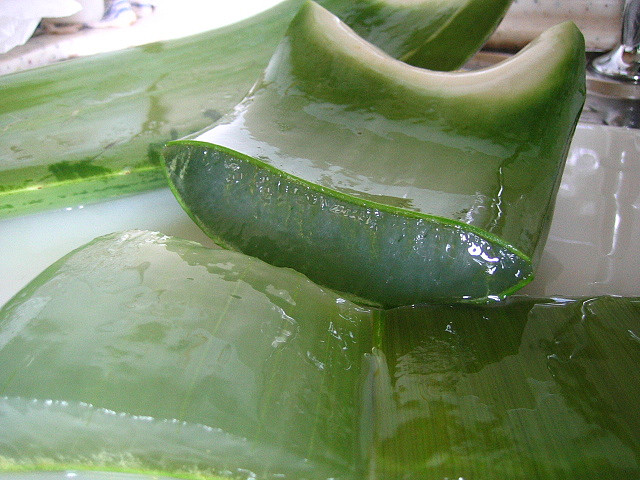
Got some fresh aloe vera gel? Scoop out a bit and rub it into your scalp for a few minutes. It feels cool and soothing, like putting lotion on dry skin. Aloe vera helps stop the itching and redness right away because it’s super hydrating and calms irritation. Rinse it off after massaging.


Long-Term Ways to Keep Dandruff Away


Use Dandruff Shampoos


For the best results over time, pick a shampoo made for dandruff. Look for ones with ingredients like salicylic acid (to scrub away flakes), ketoconazole (to fight fungus), or zinc pyrithione (to calm your scalp). Use it regularly, like a few times a week, and you’ll notice less dandruff as time goes on.


Try Natural Remedies


You can also use stuff from your kitchen! Coconut oil is great for moisturizing your scalp—massage it in before washing your hair. Lemon juice can help balance your scalp’s health; just mix a little with water and apply it carefully. Tea tree oil is another good one because it fights germs—add a few drops to your shampoo. These natural tricks work well if you use them often.


Wash Your Hair Regularly


Wash your hair often to keep it clean. If you have a lot of dandruff, you might need to shampoo every day. This stops oil and dead skin from piling up, which makes dandruff worse. Use lukewarm water and a gentle shampoo to keep your scalp happy.


Things to Skip


No Hot Water


Don’t use hot water to wash your hair. It dries out your scalp and can make dandruff worse. Stick to warm or cool water to keep your scalp from getting irritated.


Don’t Rub Hard with a Towel


After washing your hair, don’t rub it hard with a towel. This can hurt your scalp and break your hair. Instead, gently pat your hair dry to keep it healthy.


Final Tips


Dandruff takes time to control, so be patient. Use the quick fixes like baking soda or aloe vera when your scalp feels itchy or flaky. For long-term results, stick to dandruff shampoos, natural remedies, and good hair-washing habits. Avoid hot water and rough towel drying to keep your scalp in good shape. With a little care, you can keep dandruff under control and feel more comfortable every day

TREATMENT OF DRY HAIR AT HOME

TREATMENT OF DRY HAIR AT HOME


 Here is a detailed step-by-step guide for treating dry hair at home with headlines:


 Choose the Right Products: 


Start by selecting a moisturizing shampoo and conditioner specifically formulated for dry hair. Look for products containing hydrating ingredients like argan oil, shea butter, or coconut oil to help nourish and moisturize your hair.


 Deep Conditioning Treatment:


Once a week, treat your hair to a deep conditioning treatment or hair mask. Apply the product generously from roots to ends and leave it on for the recommended time to deeply hydrate and repair your hair.


  Adjust Your Washing Routine:


 Avoid washing your hair with hot water, as it can strip away natural oils and further dry out your hair. Opt for lukewarm or cool water instead. Additionally, try to limit washing your hair to 2-3 times a week to prevent over-drying.


 Minimize Heat Styling: 


Reduce the use of heat styling tools such as hair dryers, straighteners, and curling irons, as they can contribute to dryness and damage. If you must use heat styling tools, apply a heat protectant spray beforehand to minimize damage.


 Incorporate Natural Oils: 


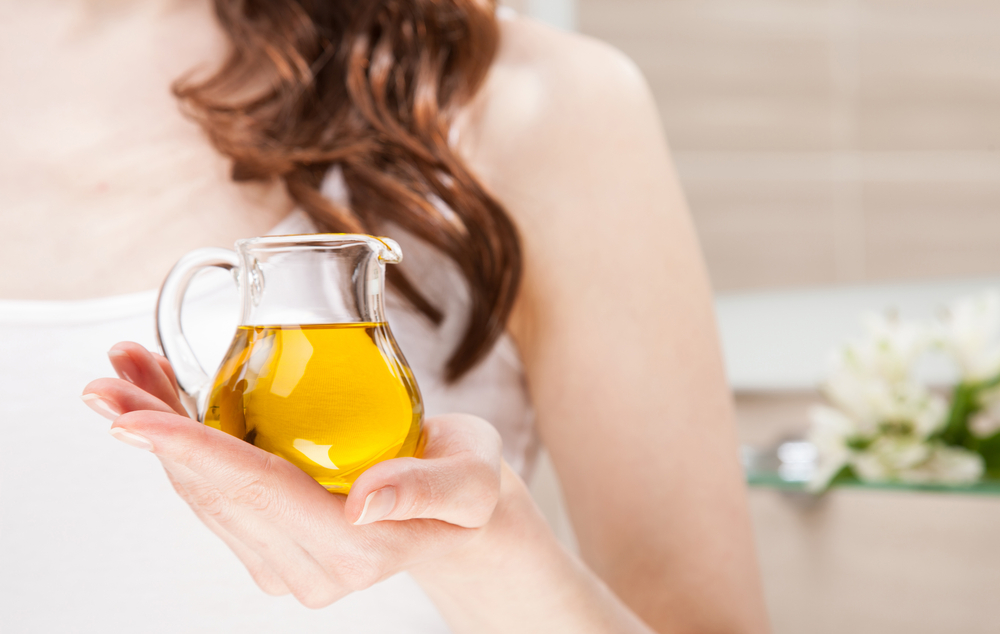
Integrate natural oils like coconut oil, argan oil, or olive oil into your hair care routine. These oils can help nourish and moisturize your hair, leaving it soft and shiny. Apply the oil to your hair, focusing on the ends, and leave it on for a few hours or overnight for maximum benefits. 

 Regular Trims: 


Schedule regular trims every 6-8 weeks to get rid of split ends and prevent further damage. Trimming your hair regularly helps maintain its health and vitality. By following these steps consistently, you can effectively treat dry hair at home and improve its overall condition. Let me know if you have any other questions or need further assistance!

What is PRP therapy for hair loss?


PRP therapy for hair loss


Platelet-Rich Plasma (PRP) therapy for hair loss is a medical procedure that aims to stimulate hair follicles and promote hair growth using the patient's own blood components. It is a minimally invasive and nonsurgical approach to treating hair loss, often considered an alternative or complementary option to more traditional methods like hair transplant surgery or topical medications.


PRP therapy involves several steps:


Blood Collection: A small amount of the patient's blood is drawn, similar to a routine blood test. This blood is then processed in a centrifuge machine to separate its components.


Plasma Enrichment: The centrifuge separates the blood into its different components, with the platelet-rich plasma being isolated. Platelets contain various growth factors and proteins that play a crucial role in tissue repair and regeneration.


Preparation of PRP: The platelet-rich plasma is prepared by concentrating the platelets and growth factors. This concentrated plasma is then collected into a syringe and is ready for injection.


Injection into Scalp: The PRP solution is carefully injected into the scalp in areas experiencing hair thinning or loss. The injections are strategically administered to stimulate dormant hair follicles and encourage them to enter a growth phase.


Stimulation of Hair Growth: The growth factors present in the PRP are believed to trigger natural hair growth by promoting blood flow to the hair follicles, increasing cell survival, and fostering a healthier hair environment.


The procedure is generally well-tolerated, and local anesthesia may be applied to minimize discomfort during the injections. PRP therapy is often performed as a series of sessions spaced a few weeks apart, with visible results becoming noticeable after a few months. Maintenance treatments may also be recommended to sustain the effects.


It's important to note that while PRP therapy has gained popularity and has been used for various medical and cosmetic purposes, its effectiveness for hair loss treatment is still a subject of ongoing research. Results can vary from person to person, and not everyone experiences significant hair regrowth.


PRP therapy is considered a safe procedure since it uses the patient's own blood, minimizing the risk of allergic reactions or complications. However, like any medical procedure, it does carry some potential side effects, such as temporary scalp discomfort, redness, swelling, or bruising at the injection sites.


Before undergoing PRP therapy, it's advisable to consult with a qualified medical professional, such as a dermatologist or a hair restoration specialist. They can assess your specific hair loss condition, discuss treatment options, and help determine whether PRP therapy is a suitable choice based on your individual needs and expectations


Treatment For Dry Hair at Home


Dry hair can be caused by a variety of factors, including genetics, environmental factors, over-styling, and certain hair treatments. Whatever the cause may be, there are a few simple and effective home remedies that can help treat dry hair and restore its natural moisture and shine. In this article, we'll explore some of the best hair treatments for dry hair that you can do at home.


Coconut oil treatment

Coconut oil is a natural emollient that is rich in essential fatty acids and vitamins that can help nourish and moisturize dry hair. To use coconut oil as a hair treatment, simply warm up a few tablespoons of coconut oil in a bowl and apply it to your hair, from the roots to the tips. Leave it on for at least an hour, or overnight for best results, and then wash your hair with a gentle shampoo and conditioner.


Avocado hair mask

Avocado is another natural ingredient that is great for treating dry hair. It is rich in healthy fats and vitamins that can help repair and strengthen your hair. To make an avocado hair mask, mash up one ripe avocado and mix it with a tablespoon of olive oil or coconut oil. Apply the mixture to your hair and leave it on for 30 minutes to an hour, then rinse it off with lukewarm water.


Aloe vera gel

Aloe vera is a natural moisturizer that is great for treating dry and damaged hair. It contains enzymes and vitamins that can help soothe and heal your scalp, and promote healthy hair growth. To use aloe vera as a hair treatment, simply apply fresh aloe vera gel to your scalp and hair, and leave it on for 30 minutes to an hour. Rinse it off with lukewarm water and shampoo as usual.


Apple cider vinegar rinse

Apple cider vinegar is a natural remedy that can help restore the pH balance of your scalp and hair, and promote healthy hair growth. To use apple cider vinegar as a hair treatment, mix one part apple cider vinegar with two parts water, and apply the mixture to your hair after shampooing. Leave it on for a few minutes, and then rinse it off with lukewarm water.


Egg and honey hair mask

Eggs are rich in protein and vitamins that can help strengthen and nourish your hair, while honey is a natural humectant that can help lock in moisture. To make an egg and honey hair mask, whisk one or two eggs and mix in a tablespoon of honey. Apply the mixture to your hair and leave it on for 30 minutes to an hour, then rinse it off with lukewarm water and shampoo as usual.


In conclusion, these are just a few of the many home remedies that you can use to treat dry hair. They are natural, safe, and effective, and can help restore your hair's natural moisture and shine. By incorporating these treatments into your regular hair care routine, you can keep your hair healthy, strong, and beautiful.

12 Home Remedies to Prevent Hair Loss and Regrow Your Hair


12 Home Remedies to Prevent Hair Loss and Regrow Your Hair


Hair loss can be a distressing experience for both men and women. It can lead to a loss of confidence and self-esteem. However, there are many home remedies that can help prevent hair loss and promote hair growth. In this article, we will discuss 12 home remedies that can help you regrow your hair.


Aloe vera: 


Aloe vera contains enzymes that can help promote hair growth. It also has anti-inflammatory properties that can help soothe an irritated scalp. Apply fresh aloe vera gel to your scalp and massage it gently. Leave it on for about an hour and then rinse it off with water.


Onion juice:


Onion juice is rich in sulfur, which is essential for the production of collagen. Collagen is a protein that is necessary for the growth of hair. Apply onion juice to your scalp and leave it on for about 15 minutes. Rinse it off with water and shampoo.


Coconut oil: 


Coconut oil is rich in fatty acids that can nourish the scalp and promote hair growth. Massage coconut oil into your scalp and leave it on for about an hour. Rinse it off with water and shampoo.


Eggs: 


Eggs are rich in protein, which is essential for the growth of hair. Beat an egg and apply it to your hair and scalp. Leave it on for about 20 minutes and then rinse it off with water and shampoo.


Green tea: 


Green tea is rich in antioxidants that can help prevent hair loss. Brew some green tea and let it cool. Apply it to your hair and scalp and leave it on for about an hour. Rinse it off with water.


Garlic: 


Garlic is rich in sulfur, which is essential for the production of collagen. Crush a few cloves of garlic and apply the paste to your scalp. Leave it on for about 30 minutes and then rinse it off with water and shampoo.


Fenugreek seeds: 


Fenugreek seeds are rich in protein and nicotinic acid, which can help promote hair growth. Soak some fenugreek seeds in water overnight. In the morning, grind the seeds into a paste and apply it to your scalp. Leave it on for about 30 minutes and then rinse it off with water and shampoo.


Apple cider vinegar: 


Apple cider vinegar can help balance the pH of your scalp and promote hair growth. Mix equal parts of apple cider vinegar and water and apply it to your hair and scalp. Leave it on for about 15 minutes and then rinse it off with water.


Lemon juice: 


Lemon juice is rich in vitamin C, which is essential for the production of collagen. Apply fresh lemon juice to your scalp and massage it in. Leave it on for about 15 minutes and then rinse it off with water.


Henna: 


Henna is a natural hair dye that can also promote hair growth. Mix henna powder with water to make a paste. Apply the paste to your hair and leave it on for about an hour. Rinse it off with water.


Castor oil:


Castor oil is rich in ricinoleic acid, which can help promote hair growth. Massage castor oil into your scalp and leave it on for about an hour. Rinse it off with water and shampoo.


Indian gooseberry (amla):


Indian gooseberry is rich in vitamin C, which is essential for the production of collagen. It also has anti-inflammatory properties that can help soothe an irritated scalp. Mix Indian gooseberry powder with water to make a paste. Apply the paste to your scalp and leave it on for about 30 minutes. Rinse it off with water and shampoo.


In conclusion, there are many home remedies that can help prevent hair loss and promote hair growth. Aloe vera,

supplement for hair growth

 supplement for hair growth


Nutrition plays an essential role for hair care. Hair follicles that are in a dynamic development period are strong and healthy in comparison to those that come in the resting stage. A reliable circulation of proper nutritional building blocks is important for follicles of hair to develop and create healthy hair fibre. The hair follicles derive their nourishment from the bloodstream.


Hair quality reflects the health condition of this body. If human body is well nourished, it’s going to cause hair that is strong and healthier with a silky shine to it. Building study on nutrients and just how they impact hair regrowth and surface has generated innovations in nutritional supplements for haircare.


A well-balanced diet is a vital component of healthier hair care. Eat a balanced diet to deliver your hair with all the correct number of vitamins. You really need to consume a balanced diet consisting of plenty of vegetables and fruits, protein, and dietary fiber. Since locks is primarily consists of necessary protein, your diet will include sufficient necessary protein from food supply eg seafood, animal meat, milk, mozzarella cheese, and soy.


Hair type is good to consider because some nutrients for locks may consist of ingredients that enables certain tresses kinds above other people. For instance, when you have really dry tresses with extortionate damage, a supplement that contains moisturizing crucial natural oils will offer even more advantage to you than one which does not.


Silica, copper, and sulfur tend to be extra components present in supplements for increasing hair length. They’re ideal for producing stronger strands of locks that may resist the daily torture that lots of women put their tresses through. Iodine is added to a hair development supplement to keep locks from becoming dried out. Iodine is another key element for preventing dried out locks.


Bromelain is really so able to absorbing necessary protein that workers who usually cut the fruit frequently shed their particular fingerprints to the energetic properties associated with chemical. In addition to this fruit’s amazing digestion qualities, it’s also rich in nutrients A and vitamin C, a benefit the Spaniards took benefit of on the numerous extended trips off to water.


Organic products like essential natural oils, massage essential oils like coconut oil or castor-oil or almond oil; yogurt, eggs, coconut milk, honey an such like are typical useful to hair with zero negative effects. Aside from this, they’re easily available available in the market and light in the pocket too. All-natural hair care products consist of hair shampoos, conditioners, locks dyes. Shampoos and conditioners could be homemade also. All-natural tresses dyes are free of any chemicals and hence scarcely have any side effects and are also deprived of harmful chemical substances like ammonia etc which may be an irritant for a few people.


Hair gets moisture various means. One, you’ll drink a great amount of liquids, eat lots of raw vegetables and fruit, or two, it is possible to augment moisture content using hair shampoos and conditioners that externally and externally infuse moisture in to the follicle shaft. Moisture assists preserve tresses wellness, while including body and fullness. While we’re on the subject, conditioners are available in many types – rinse-out or leave-in.

How to Condition Your Hair


How to Condition Your Hair


Almost every woman dreams to have long and beautiful hair, but does it come for free? Without any effort? No, not at all. There is no free lunch. Finally everything depends on what you do to your hair. For good long hair you must wash them frequently using a good shampoo and then condition them. Conditioning your hair should never be skipped it helps you to get them back to shape. It protects your hair by coating each strand against wear and tear and makes them shinier. It will help you gain lost moisture of your hair and will also help to keep the locks shiny and resilient. It gives bounce and sheen to your hair.


Hair Conditioning Benefits


Conditioning helps you to combat the damage done by chemical hair treatment, coloring, heat styling and environmental pollution to your hair.


Conditioners should be used only after shampooing your hair and they are meant for hair shafts and not for the scalp.

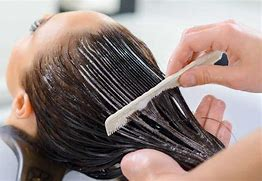
Before conditioning your hair you should shampoo, rinse and towel dry them. Then take a small amount of conditioner on your palm and evenly distribute it on the hair shafts, either with your hand or a wide toothed comb.

Leave the conditioner on the hair for some time, depending upon the leave in or rinse out variety.

For normal hair apply conditioner for 3-5 minutes. For dry hair, apply for 5-7 minutes. For oily hair keep it for 2-3 minutes.

For very dry or damaged hair, it is recommended to apply conditioner on the hair shaft. Wrap a hot damp towel. Leave for 5-7 minutes and rinse.

See to it that no residue is left when you are using a rinse out conditioner; therefore rinse your hair properly.

Using conditioners in excess can result in dull limp hair. Keep your hair and scalp clean for healthy hair. Wet hair is more sensitive and vulnerable than when dry, therefore you must take a good care of them.

Short Hair Styles for Women

 Short Hair Styles for Women


The term “short hair” usually stands for the length of hair that is shorter than the shoulders or even the ears. Short hair styles for women have become quite popular now, as they are considered practical and trendy by women of all ages. Unfortunately, most hairstyle magazines focus on hairstyles that are more suitable for a younger crowd, right from young girls in their teens, to women in their late 30’s. However, women in their 40’s are just as particular about their hair care and hair style, as younger women are. There are several online resources that cater to the need and have information about the different types of hair styles that are suitable for women over the ages of 40. Most online resources promote the advantages of short hair styles for older women.


Unfortunately, short hair styles are not meant for everybody. There are several factors that need to be taken into consideration, before opting for short hair, like the color, thickness and the texture of the hair along with the individual’s lifestyle, personality and overall health. There are several advantages in opting for short hair styles for women, as shorter hair is a lot easier to maintain, compared to medium or long hair. Moreover, they look elegant, graceful, neat and trendy, enabling you to make a style statement. Older women who lead active lifestyles find it more convenient to keep their hair short, which makes it easier to control. Short hair is also perfect for the summer season. There are several older women who enhance their dressing style, with accessories or jewelry. Short hair would highlight earring or necklaces, adding to their elegance and beauty.


Some popular short hair styles for women include the pixie cut, modified bob cut, the short shag cut, the blunt cut, the wedge cut, the point haircut, the bed-hair haircut and many more. Several female celebrities over the age group of 40 now sport short curly hair styles for women, which have become quite a craze with women across the globe.


With all the options available to women nowadays, choosing a hairstyle that suits you may be a bit of a challenge. Most women stick to the hair styles they have had for years, only because they are afraid of trying something new. Women are unsure about how they would look in a hair style that looks so beautiful on a Hollywood star. However, most leading women’s hair stylists now offer computer simulations, where you can see computer generated image of yourself, sporting the hairstyle that you are interested in opting for. Therefore, this can give you some idea about how you’d look in a particular hairdo, so that you do not take any wrong decisions.

Thinning Hair Treatment

 Thinning Hair Treatment


The hair on our head is an integral part of our personality and outward appearance. Sadly, many of us only succeed in realizing its importance when that hair is gone. Thinning of hair could cause a major blow to a person’s self-esteem. Fortunately, all is not lost when your hair starts thinning. Let us take a look at some of the causes of thinning hair and the thinning hair treatments that can be used to retard and even reverse this hair loss.
Your genes play a major role in determining the state of your hair on the head. If any of your parents have thinning hair, there is a chance that you too many experience hair loss early in life. However, by using thinning hair treatments such as hot oil massage therapy you can significantly retard the loss of hair. The juice from Indian gooseberry or the juice of amaranth are both excellent massaging agents that help promote the circulation of blood to the hair follicles. Regular massage therapy also alleviates stress, which is another major factor behind hair loss. One of the best hair thinning treatments is to manage your diet. Your diet plays a major role in your overall health and in the health of your hair. If you are experiencing thinning hair, avoid consuming animal fats or proteins. Sweets are also a complete no-no. You should also cut down on excessive consumption of salt this is also a major contributory factor to thinning hair. The best treatment for thinning hair is to consume a balanced diet that is supplemented with minerals such as zinc and sulfur that promote hair growth.
In addition to eating a balanced diet, it is also important to consume sufficient quantities of water. Water helps the body excrete unwanted toxins and helps ensure that your systems are kept in balance. Sometimes hair loss can be caused by fungal infections. Do consult a doctor to determine if your hair is thinning because of such an infection. These infections are usually easy to cure, and if the treatment is applied in time, a significant amount of hair loss can be prevented. There are also several specialized thinning hair treatments that are effective in retarding hair loss and promoting the growth of new hair. However, some of these treatments do have potent side effects and some of them can only be used on men. Do consult a hair care expert to know more about the best treatment options for thinning hair.


Dandruff Treatment

 Dandruff Treatment


Dandruff is a skin disorder. It is also known as seborrheic dermatitis. Treatment of dandruff depends upon its location on the body and the age of the person. Generally dandruff is hundred percent curable but it may reoccur. Dandruff is simply dead skin shedding from head at a faster rate than normal. Those who have major dandruff problem face the problem of itch scalp. Dandruff causes due to Excessive stress, insufficient sleep, poor health, poor nutrition, heredity, excessive heat, cold weather, dry environment, allergic reactions, poor hygiene, hormonal imbalance, excessive sweating etc. Dandruff is more common in people with oily scalp than dry scalp and in men than in women.

Although dandruff can be treated, unfortunately yet there is no cure available for dandruff; once treated it can reoccur. For people those who have mild dandruff they have to just wash their head using a good anti-dandruff shampoo. Avoid using strong shampoo because it may dry your scalp and make the situation worst. A mild shampoo is recommended. If you use an anti-dandruff shampoo than lather and rinse twice, first time it will clean the scalp and second it will medicate the scalp. Poor health also causes dandruff, therefore see to it that you eat healthy and nutritious food, take sufficient sleep and avoid stress. As you know that dandruff may also be due to some allergy so avoid food that you are allergic to. Never use your finger or any pointed object to scratch your head.

Never expose your head to scorching sun, extremely cold or windy environment, always use a hat to protect your head. Avoid hair styling products with alcohol content, it will dry away your scalp. See to it that you intake sufficient amount of B6 because it prevents dandruff. Increase blood circulation to your scalp by massaging it frequently.
image of info

Split Ends Removal

 Split Ends Removal


Split ends occur when hair's cuticle wears down. Once split ends occur they cannot be repaired, the only option that you will have is to trim them and take better care of them next time. Your daily routines like coloring, straightening and daily massacres with the blow-dryer can cause split ends. Almost anyone who goes too long between trims will have split ends. People those who love long hair tend to face this problem more because they avoid trimming their hair. Hair split can be can be as long or two to three centimeters in length and normally split in to two or three strands.


Cuticle, the protective layer of the hair, becomes damaged as the hair grows and reaches a certain length. Due to the damage to the cuticle the fibers of the inner layers, the cortex and medula, fray. Hair cuticles are impossible to replace once they have been removed. Splits can occur anywhere along the hair shaft but it mainly occurs at the end.

Never brush wet hair because they are more delicate and vulnerable to splitting. Avoid brushing vigorously, it will cause tension and will promote splitting. Use a soft-bristled brush. Avoid intense heat of blow-dryers and irons because it encourages split ends by drying the hair's cuticle. Use smooth surface pillows to minimize tangling. Highlighted and colored hair has more chances of split ends because the chemicals used weaken the hair.  Use a deep conditioner every other month. To soften the look of split ends, using a hydrating leave-in conditioner will soften the look of split ends.


Trim at least one inch above a split end to prevent further splitting of hair. If you ignore split ends they will continue up the hair shaft causing more damaged hair. If you have split ends but wish to keep long hair than trim them carefully one-quarter inch every six to eight weeks. Treat your hair as a fine fabric to avoid split ends. Dry or brittle hair is more likely to develop split ends.

Hair Removal Products

 Hair Removal Products

 Hair removal products for soft, smooth, hair-free skin | beautydirectory

Hair Removal Products Do you have unwanted hair on your body? We know that you would do anything to get rid of them. Don’t get influenced by any hair removal product you see. Your body and skin are precious, don’t play with them, use only quality hair removal products. No need to go anywhere else, as Hair Care Tips is here to serve you with the best quality hair removal products that too at a reasonable price.

All hair is composed of keratin, a hard protein which is also found in your fingernails and toenails. Hair growth initiates underneath the surface of your skin at a hair source inside a hair follicle. Hair grows on all parts of the human body apart the lips, palms of the hands, the lips, certain areas of the genital structure and the soles of the feet. Hair removal illustrates any technique of removing hair from the human body. Hair is regularly removed for reasons connected to the social function of hair in human civilization. Several cultures have an aesthetic model amount of hair for both males and females. People whose hair violates such ideology may encounter problems with social approval.

Hair removal has been accomplished for centuries in more or less all human cultures. Each individual has a specific requirement for hair removal for instance facial hair, or hair on legs and arms. Diverse hair removal techniques work better on different areas and skin tones. Hair removal techniques fall in two categories:


Permanent hair removal Temporary hair removal

How to Prepare for Laser Hair Removal: 8 Activities to Avoid - Tony Shamas  Hair Salon & Laser
 
 
Permanent hair removal constitutes laser treatment and electrolysis which ensures the removal of unwanted hair forever. A number of methods have been developed that use chemicals that can also be employed to aim at the areas that regulate hair growth. Prescription oral medications utilize enzymes that slow down the growth of new hair cells. Hair growth will happen to lessen until it finally stops. Temporary hair removal techniques constitute epilating through waxing, razor, depilatories, plucking, and last only for a stipulated time.

Achieve effectual hair removal with hair removal products such as Vaniqa available at Hair Care Tips. Vaniqa is a hair removal product that can facilitate you to get smooth and silky skin, free from unwanted hair. It is a clinically proven prescription cream that can help you to get rid of unwanted facial hair among women. Submit a suitable online contact us form and have your Vaniqa order delivered to your doorstep.

Hair Care Accessories

  Hair Care Accessories


 Skin Care Attributes For Hair Care Products | HAPPI


Hair are precious, one should take their best care. When you get into the market you may find number of hair care accessory available in the market but will any hair accessory is right for you? No, don’t make any compromise with your hair. Shop for the best hair care accessory at Hair Care Tips.

Styling and dressing your hair is known since time immemorial, which also depicted through art. In fact, the phenomenon of fashioning your hair constitutes an important part of modern lifestyle. So why, should you waste any more time to stay away from this necessary evil. Different hair types pre-requisite different hair care accessories, keeping this in mind we can arrange an assortment of products which can suit your requirements.

Hair care accessories can enhance the beauty of your hair. Accessory itself denotes a subordinate or supplementary item; something unnecessary but desirable that contributes to an outcome or result. Hair care accessories include hair color, hair spray, tweezers, hair scissors, hair cutting scissors, sheers, professional sheers, hair sheers, hair comb, bobby pin, head band, eyelash curler, hair brush, shower cap accessories amongst others.
We appreciate the fact that your hair is precious, and necessitates proper care. Hair care accessories arranged at Hair Care Tips can provide you with the ability of making fast and expedient purchase of hair care accessories without having to make a compromise for your hair. We at Hair Care Tips make a sincere effort to cater to diverse your hair care requirements at an affordable price range. Our online shopping facility can expedite your hair care accessories order.

Simply fill in a hassle-free form and have your hair care accessories delivered o you at the earliest, be it anywhere in the world.

Home solutions for Hairloss

 Home solutions for Hairloss

Non-Surgical Treatments for Hair Loss | Northwest Hair Restoration


It is normal for individuals to lose strands of their hair particularly when it is wet or when they brush it regularly. Specialists express that there is a requirement for a strand of hair to fall so these can be supplanted with another arrangement of hair strands. The typical strands ought to essentially be 100. When there is an overabundance in this gauge, then you may be experiencing balding.

Assuming you assume you are experiencing balding, the most effective way to manage it is to visit a specialist to guarantee that the individual will give a legitimate conclusion. Individuals who are inclined to super durable hair loss brought about by qualities or those that are brought about by skin problems, they ought to counsel a specialist what treatment choices are accessible.

However, individuals who are encountering transitory going bald can manage it regardless of whether they are at home. The accompanying home cures can be utilized to manage balding at home:

1. The wonders of massage.

 1,168 Scalp Massage Stock Photos and Images - 123RF


Antiquated individuals have demonstrated that a back rub can assist with halting unreasonable hair fall since it makes the follicles of the hair more grounded. Beside that, it is likewise great since it helps hair development by coming down on the scalp. Typically, this is done physically. You can do it your self or you can request that someone rub your scalp at home. In the event that you need more energy to do a manual back rub on your own scalp, you can choose an electric hair rub accessible in many health stores.

2. Hot oil Treatment.

 Hot Oil Treatment for Hair: Benefits and How to Do It Yourself


Specialists say that individuals who are inclined to balding can benefit such a great amount from hot oil medicines on the grounds that these can assist with forestalling falling hair and can fix minor scalp problems too. To come by compelling outcomes, something like three medicines are exhorted week after week. You can do this at home with the utilization of a shower cap. You can purchase prepared to-utilize hot oil medicines that contain oils of a few spices like sesame, olive, and coconut. For really loosening up hot oil treatment at home, choose those that contain medicinal oils like thyme, lavender, and others.

3. Aloe vera extracts


File:Making Aloe Vera Dessert.jpg - Wikimedia Commons
 

Considered as a "wonder plant" aloe vera is famous to many individuals particularly those living in tropical nations as a solution for balding. Contingent upon the degree, aloe vera can be utilized as a cleanser by utilizing new mash that is straightforwardly applied on the hair and scalp, as a hair tonic alongside different spices, and a beverage or oral aloe juice for the body to retain its fixings quicker.

4. Combination of cinnamon and honey.


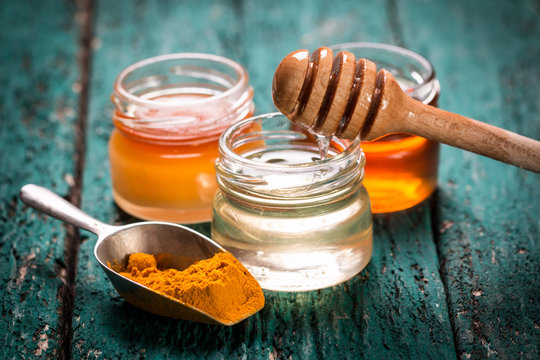
Honey Cinnamon Images – Browse 52,437 Stock Photos, Vectors, and Video |  Adobe Stock
 

Many individuals say that one of the viable home solutions for balding is the mix of cinnamon powder and honey with olive oil in light of the fact that these contain properties that make the scalp along with the hair more grounded. By concocting a glue that can be applied straightforwardly to from the hair's underlying foundations down to the scalp, individuals can utilize it before they utilize their number one cleanser.

5. Concentrates of ginger.


Ginger- an Elixir of Life | Food Redefined | iTHRIVE


A piece of ginger, once hacked and straightforwardly applied to the region of the head that has bare spots, can be a viable hair solution for going bald in light of the fact that it helps the solid development of hair follicles. Since it tends to be rancid, you can likewise utilize separate is joined with fine lead powder to come by best outcomes.

Featured Post

Easy Ways to Make Your Hair Look Thicker

 Easy Ways to Make Your Hair Look Thicker Sometimes, a smart haircut is the easiest way to make hair look fuller. A good cut can trick the e...