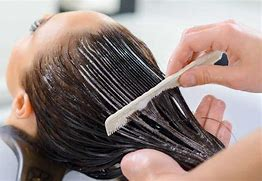
Winter Hair Care Tips: How to Keep Hair Healthy in the Winter

Winter Hair Care Tips: How to Keep Hair Healthy in the Winter 


Winter'scold, dry air, combined with indoor heating and harsh winds, strips moisture from your hair, leading to dryness, brittleness, frizz, static, and even breakage. The low humidity outdoors and heated indoor environments create a perfect storm for dehydrated strands, making your scalp itchy and hair prone to split ends. But with a targeted routine focused on hydration and protection, you can maintain shiny, resilient hair all season long.


Start by switching to a moisturizing shampoo and conditioner. Opt for sulfate-free formulas that cleanse gently without stripping natural oils. Always follow shampooing with a rich conditioner, and incorporate a weekly deep conditioning mask or hair treatment to restore softness and combat damage.


Apply lightweight hair oils, like argan or coconut, to seal in moisture and tame frizz. Use leave-in conditioners for extra protection, especially on ends.

Reduce washing frequency to preserve natural oils—aim for 2-3 times a week. When you do wash, use lukewarm water instead of hot, as steaming showers dry out hair further. Never step outside with wet hair; it can freeze and snap in freezing temperatures.

Minimize heat styling to avoid exacerbating dryness. If you must use tools, apply a heat protectant and lower the temperature. Air-dry when possible.

Protect your hair outdoors by wearing a silk- or satin-lined hat to shield from wind and cold while reducing static and friction (avoid rough materials that cause "hat hair"). A humidifier indoors adds moisture to the air, preventing further dehydration.


Get regular trims every 6-8 weeks to remove split ends and promote growth. Stay hydrated by drinking plenty of water and eating nutrient-rich foods like salmon, nuts, avocados, and leafy greens for internal nourishment.

Combat static with anti-frizz products or a quick spritz of leave-in spray. For colored hair, use toning shampoos to maintain vibrancy.

By prioritizing moisture, gentle care, and protection, you'll emerge from winter with stronger, healthier hair ready for spring. Consistency is key—these habits can transform dull, damaged locks into glossy, resilient ones.

Best Hair Care Routine during Winter Season

Best Hair Care Routine during Winter Season


n Best Hair Care Routine during Winter Season 

Winter hurts your hair. Cold air outside + hot air inside = dry, dull, frizzy hair.

Want soft, shiny hair in winter? Just give a little extra love.

Here is a super easy winter hair care routine you can do at home with Augeas Professional products.

1. Wash Gently

Winter makes scalp dry and flaky. Use a soft, moisturizing shampoo. Wash only 2–3 times a week.

Augeas Keratin Shampoo is perfect. It cleans without taking away natural oils. Hair feels clean, soft, silky.

Tip: Use lukewarm water, not hot. Hot water makes hair more dry and frizzy.

2. Deep Condition Every Week

Cold air makes hair weak and brittle. A hair mask brings back moisture.

Use Augeas Hair Mask once a week. It makes hair soft, shiny, easy to comb.

How to use:


Shampoo → apply mask → wait 10–15 min → rinse with cold water (locks in moisture).


3. Use Hair Serum Daily

Winter = static + flyaways. A light serum controls frizz and adds shine.

Put 2–3 drops of Augeas Hair Serum on wet or dry hair. No greasy feel!

Tip: Apply only on mid-lengths and ends, not roots.

4. Cut Down Heat Tools

Blow-dry or straightener = more dryness and breakage.

If you must use heat, first apply heat protection serum.

Best tip: Let hair air-dry when possible.

5. Eat & Drink Right

Hair health starts inside.

Drink lots of water. Eat foods with vitamins, protein, omega-3 (fish, nuts, fruits).

6. Cover Hair Outside

Cold wind steals moisture.

Wear a soft scarf or cap when you go out. Keeps hair safe and tangle-free.

Final Words

Winter does not mean bad hair!

Use Augeas Keratin Shampoo, Hair Mask, Hair Serum + follow these steps.

Be regular — your hair will stay soft, shiny, healthy all winter

Winter Hair Care Tips: How to Keep Hair Healthy in the Winter


Winter Hair Care Tips: How to Keep Hair Healthy in the Winter


Winter's harsh weather can wreak havoc on your hair, turning luscious locks into dry, brittle strands. Cold air outside strips moisture, while indoor heating exacerbates dehydration. Static electricity, hat hair, and reduced humidity all contribute to frizz, breakage, and dullness. But with a strategic routine, you can maintain healthy, vibrant hair throughout the season. Below, I'll outline step-by-step tips to combat these issues, focusing on hydration, protection, and nourishment.

Step 1: 

Prioritize Deep Hydration. Start by switching to a moisturizing shampoo and conditioner duo formulated for dry or damaged hair. Look for ingredients like hyaluronic acid, shea butter, or argan oil, which lock in moisture without weighing hair down. Wash less frequently—every two to three days—to preserve natural oils. After shampooing, apply a deep-conditioning mask once a week. For a DIY option, mix coconut oil with honey, leave it on for 20-30 minutes, then rinse. This step restores the scalp's barrier, preventing flakiness and itchiness caused by dry winter air.

Step 2: 

Combat Dry Scalp and Dandruff. Winter often intensifies scalp issues due to low humidity. Gently massage your scalp with a nourishing oil like jojoba or tea tree before bed to soothe irritation and promote circulation. Use a humidifier in your home to maintain indoor moisture levels around 40-50%, which indirectly benefits your hair by preventing excessive dryness. If dandruff persists, opt for an anti-fungal shampoo with zinc pyrithione, but alternate it with your regular one to avoid buildup. Exfoliate weekly with a soft brush or a sugar-olive oil scrub to remove dead skin without stripping oils.

Step 3: 

Protect Against Environmental Damage. Bundle up, but choose hats lined with silk or satin to minimize friction and static—cotton or wool can snag and dry out strands. Before stepping out, apply a leave-in conditioner or hair serum with UV protection, even in winter, as snow reflects harmful rays. Avoid hot styling tools; let hair air-dry or use a diffuser on low heat. If blow-drying is necessary, apply a heat protectant spray first. This shields cuticles from cracking in freezing temperatures.

Step 4:

 Nourish from Within. Healthy hair starts internally. Boost your diet with omega-3-rich foods like salmon, walnuts, and flaxseeds to enhance shine and strength. Stay hydrated by drinking at least eight glasses of water daily—herbal teas count too. Incorporate vitamins: biotin for growth, vitamin E for antioxidants, and iron to prevent thinning. A balanced intake of proteins from eggs or beans supports keratin production, the building block of hair.

Step 5:

 Trim and Maintain Regularly. Schedule trims every 6-8 weeks to eliminate split ends, which worsen in winter. Use a wide-tooth comb for detangling wet hair to reduce breakage. At night, braid loosely or use a silk pillowcase to prevent tangles and moisture loss.

By following these steps, you'll emerge from winter with resilient, glossy hair. Consistency is key—adapt based on your hair type, whether curly, straight, or color-treated. If problems like excessive hair loss arise, consult a dermatologist. With proactive care, winter doesn't have to mean bad hair days.

 Super Easy Dandruff Relief Guide


Dandruff can be annoying with all that itching and flaking, but don’t worry! You can’t make it disappear in just 5 minutes, but there are quick tricks to feel better fast. For long-term help, you’ll need to stick to a routine with special shampoos and simple habits. Here’s an easy guide to tackle dandruff in a way anyone can understand.


Quick Fixes for Itchy, Flaky Scalp free


Baking Soda Trick


Wet your hair first, then grab a little bit of baking soda (like a teaspoon or two). Sprinkle it onto your scalp and gently rub it in with your fingers for about 1-2 minutes. This helps scrub away flakes and calms the itch because baking soda is great at cleaning and fighting germs. Rinse it out really well afterward to keep your scalp fresh.


Aloe Vera Magic


Got some fresh aloe vera gel? Scoop out a bit and rub it into your scalp for a few minutes. It feels cool and soothing, like putting lotion on dry skin. Aloe vera helps stop the itching and redness right away because it’s super hydrating and calms irritation. Rinse it off after massaging.


Long-Term Ways to Keep Dandruff Away


Use Dandruff Shampoos


For the best results over time, pick a shampoo made for dandruff. Look for ones with ingredients like salicylic acid (to scrub away flakes), ketoconazole (to fight fungus), or zinc pyrithione (to calm your scalp). Use it regularly, like a few times a week, and you’ll notice less dandruff as time goes on.


Try Natural Remedies


You can also use stuff from your kitchen! Coconut oil is great for moisturizing your scalp—massage it in before washing your hair. Lemon juice can help balance your scalp’s health; just mix a little with water and apply it carefully. Tea tree oil is another good one because it fights germs—add a few drops to your shampoo. These natural tricks work well if you use them often.


Wash Your Hair Regularly


Wash your hair often to keep it clean. If you have a lot of dandruff, you might need to shampoo every day. This stops oil and dead skin from piling up, which makes dandruff worse. Use lukewarm water and a gentle shampoo to keep your scalp happy.


Things to Skip


No Hot Water


Don’t use hot water to wash your hair. It dries out your scalp and can make dandruff worse. Stick to warm or cool water to keep your scalp from getting irritated.


Don’t Rub Hard with a Towel


After washing your hair, don’t rub it hard with a towel. This can hurt your scalp and break your hair. Instead, gently pat your hair dry to keep it healthy.


Final Tips


Dandruff takes time to control, so be patient. Use the quick fixes like baking soda or aloe vera when your scalp feels itchy or flaky. For long-term results, stick to dandruff shampoos, natural remedies, and good hair-washing habits. Avoid hot water and rough towel drying to keep your scalp in good shape. With a little care, you can keep dandruff under control and feel more comfortable every day

TREATMENT OF DRY HAIR AT HOME

TREATMENT OF DRY HAIR AT HOME


 Here is a detailed step-by-step guide for treating dry hair at home with headlines:


 Choose the Right Products: 


Start by selecting a moisturizing shampoo and conditioner specifically formulated for dry hair. Look for products containing hydrating ingredients like argan oil, shea butter, or coconut oil to help nourish and moisturize your hair.


 Deep Conditioning Treatment:


Once a week, treat your hair to a deep conditioning treatment or hair mask. Apply the product generously from roots to ends and leave it on for the recommended time to deeply hydrate and repair your hair.


  Adjust Your Washing Routine:


 Avoid washing your hair with hot water, as it can strip away natural oils and further dry out your hair. Opt for lukewarm or cool water instead. Additionally, try to limit washing your hair to 2-3 times a week to prevent over-drying.


 Minimize Heat Styling: 


Reduce the use of heat styling tools such as hair dryers, straighteners, and curling irons, as they can contribute to dryness and damage. If you must use heat styling tools, apply a heat protectant spray beforehand to minimize damage.


 Incorporate Natural Oils: 


Integrate natural oils like coconut oil, argan oil, or olive oil into your hair care routine. These oils can help nourish and moisturize your hair, leaving it soft and shiny. Apply the oil to your hair, focusing on the ends, and leave it on for a few hours or overnight for maximum benefits. 

 Regular Trims: 


Schedule regular trims every 6-8 weeks to get rid of split ends and prevent further damage. Trimming your hair regularly helps maintain its health and vitality. By following these steps consistently, you can effectively treat dry hair at home and improve its overall condition. Let me know if you have any other questions or need further assistance!

What is PRP therapy for hair loss?


PRP therapy for hair loss


Platelet-Rich Plasma (PRP) therapy for hair loss is a medical procedure that aims to stimulate hair follicles and promote hair growth using the patient's own blood components. It is a minimally invasive and nonsurgical approach to treating hair loss, often considered an alternative or complementary option to more traditional methods like hair transplant surgery or topical medications.


PRP therapy involves several steps:


Blood Collection: A small amount of the patient's blood is drawn, similar to a routine blood test. This blood is then processed in a centrifuge machine to separate its components.


Plasma Enrichment: The centrifuge separates the blood into its different components, with the platelet-rich plasma being isolated. Platelets contain various growth factors and proteins that play a crucial role in tissue repair and regeneration.


Preparation of PRP: The platelet-rich plasma is prepared by concentrating the platelets and growth factors. This concentrated plasma is then collected into a syringe and is ready for injection.


Injection into Scalp: The PRP solution is carefully injected into the scalp in areas experiencing hair thinning or loss. The injections are strategically administered to stimulate dormant hair follicles and encourage them to enter a growth phase.


Stimulation of Hair Growth: The growth factors present in the PRP are believed to trigger natural hair growth by promoting blood flow to the hair follicles, increasing cell survival, and fostering a healthier hair environment.


The procedure is generally well-tolerated, and local anesthesia may be applied to minimize discomfort during the injections. PRP therapy is often performed as a series of sessions spaced a few weeks apart, with visible results becoming noticeable after a few months. Maintenance treatments may also be recommended to sustain the effects.


It's important to note that while PRP therapy has gained popularity and has been used for various medical and cosmetic purposes, its effectiveness for hair loss treatment is still a subject of ongoing research. Results can vary from person to person, and not everyone experiences significant hair regrowth.


PRP therapy is considered a safe procedure since it uses the patient's own blood, minimizing the risk of allergic reactions or complications. However, like any medical procedure, it does carry some potential side effects, such as temporary scalp discomfort, redness, swelling, or bruising at the injection sites.


Before undergoing PRP therapy, it's advisable to consult with a qualified medical professional, such as a dermatologist or a hair restoration specialist. They can assess your specific hair loss condition, discuss treatment options, and help determine whether PRP therapy is a suitable choice based on your individual needs and expectations


Treatment For Dry Hair at Home


Dry hair can be caused by a variety of factors, including genetics, environmental factors, over-styling, and certain hair treatments. Whatever the cause may be, there are a few simple and effective home remedies that can help treat dry hair and restore its natural moisture and shine. In this article, we'll explore some of the best hair treatments for dry hair that you can do at home.


Coconut oil treatment

Coconut oil is a natural emollient that is rich in essential fatty acids and vitamins that can help nourish and moisturize dry hair. To use coconut oil as a hair treatment, simply warm up a few tablespoons of coconut oil in a bowl and apply it to your hair, from the roots to the tips. Leave it on for at least an hour, or overnight for best results, and then wash your hair with a gentle shampoo and conditioner.


Avocado hair mask

Avocado is another natural ingredient that is great for treating dry hair. It is rich in healthy fats and vitamins that can help repair and strengthen your hair. To make an avocado hair mask, mash up one ripe avocado and mix it with a tablespoon of olive oil or coconut oil. Apply the mixture to your hair and leave it on for 30 minutes to an hour, then rinse it off with lukewarm water.


Aloe vera gel

Aloe vera is a natural moisturizer that is great for treating dry and damaged hair. It contains enzymes and vitamins that can help soothe and heal your scalp, and promote healthy hair growth. To use aloe vera as a hair treatment, simply apply fresh aloe vera gel to your scalp and hair, and leave it on for 30 minutes to an hour. Rinse it off with lukewarm water and shampoo as usual.


Apple cider vinegar rinse

Apple cider vinegar is a natural remedy that can help restore the pH balance of your scalp and hair, and promote healthy hair growth. To use apple cider vinegar as a hair treatment, mix one part apple cider vinegar with two parts water, and apply the mixture to your hair after shampooing. Leave it on for a few minutes, and then rinse it off with lukewarm water.


Egg and honey hair mask

Eggs are rich in protein and vitamins that can help strengthen and nourish your hair, while honey is a natural humectant that can help lock in moisture. To make an egg and honey hair mask, whisk one or two eggs and mix in a tablespoon of honey. Apply the mixture to your hair and leave it on for 30 minutes to an hour, then rinse it off with lukewarm water and shampoo as usual.


In conclusion, these are just a few of the many home remedies that you can use to treat dry hair. They are natural, safe, and effective, and can help restore your hair's natural moisture and shine. By incorporating these treatments into your regular hair care routine, you can keep your hair healthy, strong, and beautiful.

Featured Post

Easy Ways to Make Your Hair Look Thicker

 Easy Ways to Make Your Hair Look Thicker Sometimes, a smart haircut is the easiest way to make hair look fuller. A good cut can trick the e...